reading library
Paul's Books & Longform Library
387 books and essays that have shaped how I think about work, money, meaning and how to live, each with my score out of 10. Some lists live on their own pages too: my Asia book recommendations and 35+ books to help you quit your job.
Currently reading
My favorites
All the books I've rated 9.5 or higher.















Essays I scored 9.5 or higher: If Work Dominated Your Every Moment Would Life Be Worth Living?, My Unusual Career Path in Finance, The Gervais Principle, Workism Is Making Americans Miserable, How to Do What You Love, The Three Sides of Risk, Letter to Hume Logan, Solitude & Leadership, A Lesson on Elementary Worldly Wisdom as It Relates to Investment Management & Business, The Disadvantages of an Elite Education, You and Your Research, How to Work Hard, The Good Room, The Long, Hard, Stupid Way, What Do You Want? and Riding On The Edge Of Chaos.
Year by year
387 books and essays by the year I read them, newest first.
2026 12
2025 25
2024 27
2023 24
2022 28
2021 13
2020 35
2019 24
2018 55
2017 25
2016 9
2015 20
2014 12
2013 14
2012 21
2011 3
2010 or earlier 40
Score by score
387 books and essays by my score out of 10, highest first.
10/10 44
9.5/10 19
9/10 86
8.5/10 44
8/10 84
7.5/10 34
7/10 27
6.5/10 17
6/10 21
Below 6 10
Not scored yet 1
Work & purpose 74
-
Chop Wood, Carry Water: The Yoga of Work
Great simple book that pushes you to look at "work" at its most fundamental level
-
Crossing the Unknown Sea
Whyte is my favorite writer, and this is probably my favorite of his books. It’s a beautiful reflection on his own journey from naturalist to non-profit worker to poet, and on the inner game of doing the scary thing and living full out. It brings alive, with a lot of poetic flair, many of the common phases I’ve seen people go through on their own pathless paths.
-
Good Work: Reclaiming Your Inner Ambition
A personal exploration of how to reclaim that fire inside of you and steer it toward your ‘good work’ while still being true to yourself.
-
Hell Yeah or No
A collection of about 100 short essays from someone who’s spent his life questioning almost everything around him. I love how Sivers simplifies complex ideas into a few sentences anyone could understand. They’ll make you think, and they’re worth implementing in your life.
-
Influence
This book was a bit mind-blowing and made me realize we’re more susceptible to influence than we think. Cialdini shows how things like social proof, reciprocity, commitment, authority, liking, and scarcity drive our behavior. Becoming aware of these biases helps you identify the decisions you really want to make, as opposed to the ones you’re just falling into.
-
Leisure: The Basis of Culture
A short but powerful reflection from post-WWII Germany. Pieper argued that work was consuming life, and that because it had become so central, we fail to imagine any kind of leisure beyond a break from work. His writing on “total work” is even more relevant today, and easier to digest than you’d imagine.
-
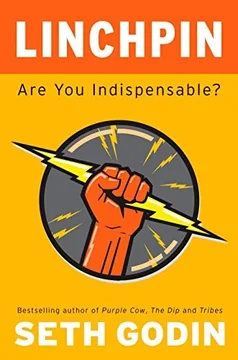
Linchpin: Are You Indispensable?
One of my favorites. Godin helps you reframe your thinking away from needing to be chosen for a job and toward a world that depends on you expressing your creativity and daring to “make a ruckus.” If you want one book to shift how you think about making a living in today’s world, this is it.
-
My Unusual Career Path in Finance
I love how he’s succeeded in a traditional field (finance) while following an extremely unconventional path.
-
The Art of Gig, Volume 1: Foundations
The best book I’ve read on consulting by far, and perhaps the only one that really captures the advanced “inner game” of indie and gig life. If you’re going to be self-employed and are at least considering freelancing, you should read it.
-
The Gervais Principle
The Gervais Principle is probably the best guide for navigating a career. In knowledge work, what people say is often not what they do. You need to understand power, psychopaths and politics to have any idea what’s happening.
-
The Pathless Path: Imagining a New Story for Work and Life
My personal exploration of breaking free from conventional career paths to discover a more intentional and meaningful way of working and living.
-
Workism Is Making Americans Miserable
Derek Thompson has correctly identified some of the fundamental problems and symptoms of the modern state of work in America (and increasingly many global cities).
-
How to Do What You Love
His essay “How To Do What You Love” is great
-
The Protestant Ethic and the Spirit of Capitalism
It’s much more readable than I imagined and a must-read for trying to make sense of the beliefs required to make capitalism “work.” I found Weber’s contemplations on greed and on overcoming traditionalism (the tendency to stop working once you have enough) the most interesting. His point, put simply, is that greed is human and timeless, but the endless pursuit of more is a modern creation.
-
How an Artist Can Hack a Living
-
In Praise of Idleness
It’s impressive how clear-headed Russell was in the 1930s, when everyone was getting caught up in communist, fascist, or socialist idealism. He cuts through the nonsense in a few essays that stand the test of time. If you don’t want the whole book, definitely read “In Praise of Idleness” and “Useless Knowledge.”
-
Invisible Asymptotes
How “invisible asymptotes” lead to real change
-
Leaving the Casino
An excellent guide for new indie freelancers who want to build their own solopreneur business but want more substance than the traditional tactic-style advice found online. Down to earth, practical, and funny.
-
Pre-Suasion
One of the best books I read in 2016, filled with mind-blowing examples of how we’re persuaded and influenced.
-
Talent: How to Identify Energizers, Creatives, and Winners Around the World
Cowen and Gross take a firm stand against the broken world of default-path talent assessment. I used to work in talent assessment and have read many books on it, and this is one of the best.
-
The 4-Hour Workweek
Perhaps one of the most underrated books published in the 21st century. The resources are a bit outdated, but it’s still valuable in how Tim thinks about time, work and money. It’s an invitation to dream, reimagine your relationship with work, and appreciate the amazing things life offers.
-
The Blockchain Man
Taylor Pearson, “The Blockchain Man”: “Instead of arguing with his boss, The Blockchain Man may fork the project and create his own version.”
-
The Great Work of Your Life
A friend kept suggesting this and I put it off because it sounded cheesy. It turned out to be a great exploration of the Hindu idea of dharma, using the Bhagavad Gita to frame the stories of people like Whitman, Frost, Keats and Harriet Tubman. Probably my favorite book of 2020.
-
The Organization Man
Reading Whyte’s 1956 classic feels like uncovering the source code for much of modern white-collar life. He documents the beginning of the move toward knowledge work and the professional class. His predictions are pretty wild given I was born in 1985 and grew up in that reality, where the goal was to be liked, collaborative and employable.
-
Be Slightly Evil
Worth reading if you’re on an unconventional path. I’ve reread it, and Rao has a great riff in it about costs and rewards.
-
Bullshit Jobs
Graeber’s core thesis is that we’ve kept squeezing productive labor, undermined the value of caring labor and created all sorts of information jobs just for the sake of having jobs. I may be biased because of the topic, but his look at how we ended up in such a weird state of affairs in our economy and working world is a delight. Funny, insightful, sad and deep.
-
Cubed: A Secret History of the Workplace
I highlighted over 100 things in this book. It offers a fascinating perspective on the history of work through the lens of the office, from small two-man offices to cubicles and open offices.
-
How to Fail at Almost Everything and Still Win Big
Adams talks about having systems instead of goals, an idea I’ve been fascinated with since reading this book. I borrowed it to build a simple system that helped me get in the best shape of my life.
-
Let My People Go Surfing
Good quick read of the founding and business principles of the Patagonia founder
-
Little Giant
I loved following the story of two Gen Xers who slowly built a lasting and meaningful community-driven retail store over a couple of decades. I was inspired by Heath’s perspective, which comes through in her reflections and in the subtle details of the book’s design and style. You can tell she cares about her art and the craft of writing.
-
Second Act
I really enjoyed this book.
-
The 22 Laws of Category Design
Great book to help you think about creating a 1:1 brand and online presence. Used it quite a bit for The Pathless Path.
-
The Good Enough Job
Almost all mainstream writing on work centers around an “anti” script about why the current system is broken. Simone skillfully avoids this, and a lot of the book comes from his own journey with his relationship to work. That’s a tricky thing to pull off, but he did it.
-
The Halo Effect . . . and the Eight Other Business Delusions That Deceive Managers
A business book that questions the logic of other business books. Rosenzweig makes a clear and convincing case that who gets called a success or failure in business depends heavily on market dynamics. It will make you highly skeptical of business “research” and stories praising or criticizing leaders.
-
Thinking About Leaving
An enjoyable collection of essays chronicling the year before Sachin became a U.S. citizen.
-
Unhinged Habits: A Counterintuitive Guide for Humans to Have More by Doing Less
Part memoir, part raw, honest reflection, part useful ideas for a pathless life. I loved how it didn’t follow a non-fiction formula, and his on-season and off-season approach was useful for me. It’s a great companion for people on a pathless path who can’t quite commit to one thing or one habit forever.
-
Give and Take
I know my desire to help others might be a little pathological, and after reading this book it seems I’ll probably succeed financially a little less. But I don’t buy Grant’s argument that this is something to fix.
-
Drive
Pink’s introduction to autonomy, mastery and purpose, through research and company examples, is a great way to discover self-determination theory, a foundational theory of what motivates people. If you look at modern organizations through the lens of motivation, you’d assume everyone had lost their mind.
-
Gigged
Amid all the buzzwords and reports on the future of work, I found Kessler’s stories about the gig economy the most insightful and the most human. The book gives an accurate picture of some of its upsides and some of its downsides.
-
How Google Works
One of the books that began to shape my thinking when I started reading about the workplace and organizational behavior. It makes clear that everything Google does starts with a deep respect for people.
-
How to Be a Founder
It had some interesting parts, but I’m not too interested in how to be a founder. Clifford is a fascinating thinker and one of my favorite writers, and I hope he writes another book about some of the deeper ideas from his newsletter.
-
Reclaiming Work: Beyond the Wage-Based Society
Gorz argues that a lot of what we do in the workplace is performing a social ritual we’ve decided is necessary to “earn a living.” He points out that when a parent stays home with their children, we say they’ve decided “not to work.” Yet what is taking care of children, if not work?
-
The Shareholder Value Myth
A book for anyone who suspects there may be better ways to measure success than money, especially “shareholder value.” It helps show that our current state of affairs is a recent innovation.
-
To Sell Is Human
I once bowled six strikes in a row, which is probably the coolest thing I’ve ever “implemented” from a book. It came from a positive psychology hack in this book that’s meant to help you improve how you perform on a specific task.
-
Work Rules!
The key takeaway for me was that many things you can do to improve the employee experience are free. Too many organizations think transformation comes at a major cost, but as Bock shows with many examples from Google, the hardest things to do are to trust people and give them freedom to make mistakes.
-
Your Music and People
A fun book applying Derek’s mental models to the music industry, which I don’t know a ton about.
-
Bold
Diamandis has a great ability to distill complex ideas down to simple thoughts.
-
Ogilvy on Advertising
Good short read on the basics of advertising, still relevant today
-
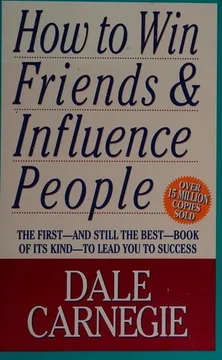
How to Win Friends & Influence People
Simple principles about how to treat people. It’s a reminder that the norms and assumptions about behavior in the modern business world lead people astray.
Talk to someone about themselves and they’ll listen for hours.
-
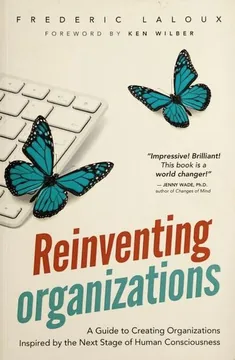
Reinventing Organizations
I enjoyed Laloux’s framing of the evolution of organizations and the emergence of what he calls a “teal” organization based on self-management. It shows how organizations can thrive without managers. I think these organizations are ahead of where our culture is and don’t fit well with our modern concept of work.
-
The Pyramid Principle
One of the books people claim to read but don’t, and for good reason. It’s dense and a bit too detailed.
-
Working Identity: Unconventional Strategies for Reinventing Your Career
Solid book but just not a big fan of the narrative stories of others approach.
-
The Gig Economy
Probably a 5 for experienced freelancers, but a 10 for people without any knowledge or experience of the gig economy. It has a bunch of great exercises to help you figure out what to focus on and how to position yourself in the freelance economy.



















Money & freedom 14
-
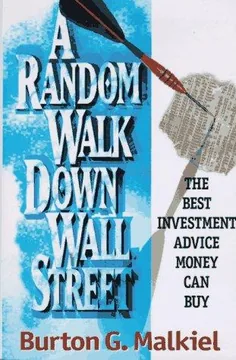
A Random Walk Down Wall Street
Investing is quite easy if you’re willing to learn and have a guide like Malkiel. This book taught me why buy-and-hold strategies and low-cost index funds are vital to creating long-term wealth, even though it’s easy to get caught up believing that’s not the right approach. It should be required reading for all college graduates.
-
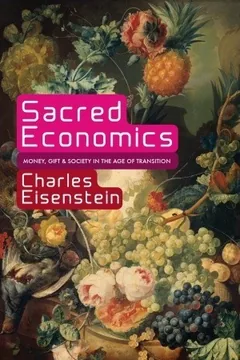
Sacred Economics: Money, Gift, and Society in the Age of Transition
A mind-altering book that mixes technical economic analysis with a spiritual questioning of the status quo. What made it resonate was Eisenstein’s avoidance of blame. It shook me up a bit and probably “cost” me tens of thousands of dollars in earnings as I explored a new relationship with money through gift economy experiments.
+ Linchpin also touches on the idea of a gift economy
-
The Three Sides of Risk
Powerful Essay on Risk, Losing Friends & What Matters from Morgan Housel
-
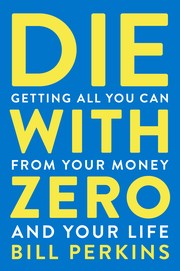
Die with Zero
I loved this book as a way of challenging a lot of the default scripts around money. It pushed me to think about how I can spend more intentionally on creating experiences with my family that might pay memory dividends for decades. It’s ideal for people who are way better at earning and saving money than spending it.
-
Dirtbag Rich: High Freedom, Low Income, Deep Purpose
A short but inspiring take on living life on your terms while being pragmatic about money and how to make it happen. It reminds me of a less travel-centric Vagabonding.
-
Young Money: A Field Guide to Wealth and Purpose in Your Twenties
A fantastic memoir of figuring it out in your twenties and the alternatives to blindly pursuing the default path. It’s ideal for people in their twenties who feel doomed by a traditional career path but don’t want to walk away forever.
-
Just Keep Buying
I wish I’d had this book years ago. It’s the common sense guide to personal finance more people should read. It always shocks me how many grown adults believe absolute nonsense about investing and money, and Maggiulli cuts through it and talks to you in very clear, fun, and simple terms.
-
What Money Can’t Buy
It details the things that money can’t buy. Literally. A bit too cold and academic for me, and Sandel is better in lecture form in his famous Harvard course, Justice.




Meaning & inner life 43
-
Letter to Hume Logan
The most profound life and career advice I’ve ever come across was an obscure letter written by Hunter S. Thompson to a friend asking him for life advice.
-
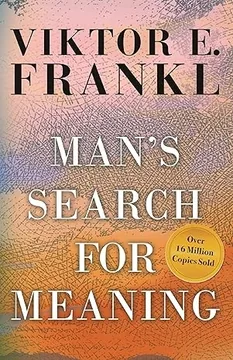
Man’s Search for Meaning
I think everyone should read a story about someone’s experience in the Holocaust at least once in their lives, and this one is perspective-shifting. It tends to drift into Frankl’s own philosophy, logotherapy, but I think most people will resonate with the general sentiment. It made me realize how lucky I am.
Everything can be taken from a man but one thing: the last of the human freedoms—to choose one’s attitude in any given set of circumstances, to choose one’s own way.
-
Solitude & Leadership
I try to read this essay once a year. What seems like an ordinary college speech comes off as a call for a deeper kind of leadership, one built on a foundation of reflection, solitude and friendship.
-
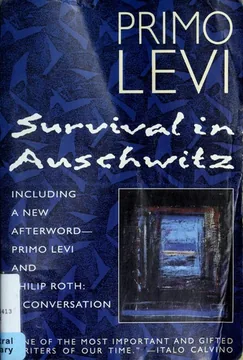
Survival in Auschwitz
A powerful book that ponders what it means to live and survive in one of the darkest moments in human history.
Sooner or later in life everyone discovers that perfect happiness is unrealizable, but there are few who pause to consider the antithesis: that perfect unhappiness is equally unattainable.
-
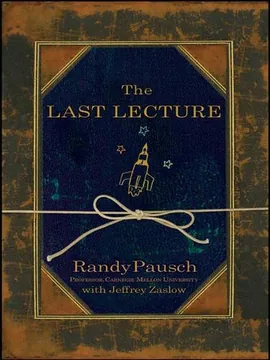
The Last Lecture
Randy Pausch was a dying professor who devoted his energy to a literal last lecture about reconnecting with your childhood dreams. It’s based on the talk he gave, though I think the book is a bit cooler. If this doesn’t move you to tears, I don’t know what will.
-
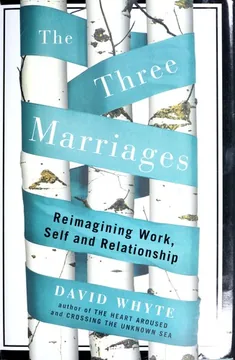
The Three Marriages: Reimagining Work, Self, and Relationship
This sort of changed my life and inspired my book The Pathless Path. I discovered the term “pathless path” here, and it seemed to name something I was experiencing but struggled to put into words. Whyte has a fascinating style of weaving historical examples, personal reflection and poetry together to argue for how to rethink our work, relationships and self.
-
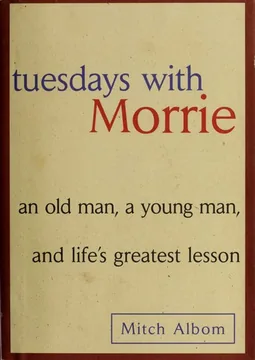
Tuesdays with Morrie
One of my favorite books, about a dying man and his reflections on what matters. Every time I read it I end up crying, because Morrie is a man I deeply admire. I first read it while going through a health challenge, and it helped sharpen my understanding that relationships with family and friends are what give me strength in life.
-
Clear Mind, Wild Heart
This is an audiobook, from Sounds True.
-
The Art of Loving
One of my favorite books. In this short, easy read from the 1950s, Fromm argues that loving others is something worth taking seriously and practicing. It echoes what I’ve learned from family, that love takes intention, practice and commitment and doesn’t come naturally.
-
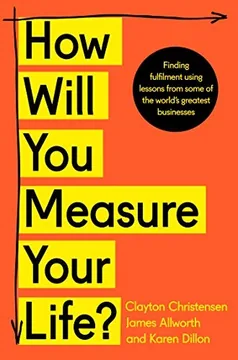
How Will You Measure Your Life
A fascinating perspective on how to define success from within the corporate world. Christensen frames management as a way to have a positive impact on other people, and that turned my cynicism into hope. It was one of the first books that really challenged me to think about fundamental questions.
-
Letting Go of Ambition
Calvin Rosser writes some of my favorite essays on reimagining life and work. … He just put out a long essay on “Letting Go of Ambition.” It’s really good.
-
Radical Acceptance
Great insight into meditation, mindfulness, and accepting the world.
-
The Happiness Hypothesis: Finding Modern Truth in Ancient Wisdom
An amazing walk through history, the wisdom of our elders, and what they knew about happiness. It seems that in the busyness of the modern age, we’ve forgotten a lot of these lessons.
-
The Heart Aroused: Poetry and the Preservation of the Soul in Corporate America
A unique lens on work in the 90s that still resonated when I read it in 2018. Whyte speaks poetically about the experience of the business world in a way that, well, arouses your heart. I wish I’d read it at the start of my business life, but I wonder if it would have been too soon.
-
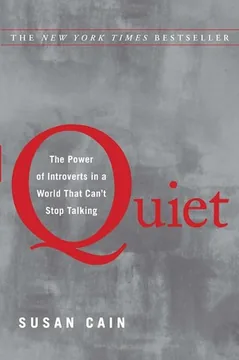
Quiet
I thought I had a good understanding of introversion and extroversion until I read this book. It made me realize I was a lot more introverted than I thought. I was fascinated by the history of how extroversion became such an ideal in modern society and the mistakes it can lead us to make.
-
Spiritual Enlightenment: The Damnedest Thing
A fun read about an enlightened man (Jed) going about his days and reacting to the people around him. It’s probably easier to digest if you’ve gone a bit deeper with mindfulness.
-
The Inner Compass: Cultivating the Courage to Trust Yourself
A perfectly sized companion (about 100 pages) to understanding and trusting your intuition. It’s about breaking free from external validation and building courage through three core principles. I read it in about a day.
-
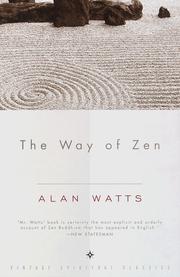
The Way of Zen
Watts’s interpretation of Zen Buddhism through a Western lens.
-
Conscious Accomplishment: How to Use Personal Achievement for Spiritual Growth
If you’ve gone through a work reinvention or gotten stuck on spiritual paths, this book is for you. I was sort of blown away by how much detail Scott shares about his own journey from startup founder to someone with a much better relationship with work and life itself. His idea of the “inner purgatory” described something I definitely went through from 2017 to 2019.
-
Consolations
One of my favorite Whyte books. It’s a book of everyday words, and he describes what each of them means to him.
-
Introspect
-
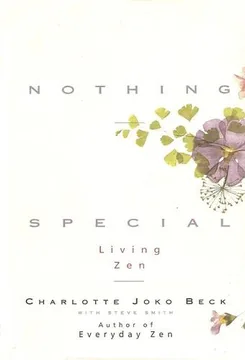
Nothing Special
The first book I read about Zen Buddhism and mindfulness. It’s a conversation between Beck and her students, and it will resonate with anyone curious about mindfulness, meditation, and spirituality.
-
Rest: Why You Get More Done When You Work Less
A refreshing counterargument to our culture’s obsession with busyness. Pang looks at what helped some of the most “productive” people in history, like walks, naps, sleep, working less and taking sabbaticals. Some chapters are a bit heavy on anecdote, but I recommend it.
-
The Book: On the Taboo Against Knowing Who You Are
Watts wrote this in 1966, and I find it fascinating to read his perspective on modernity and his frustration with how many people seem content to go about their days without asking deeper questions.
-
The Happiness Advantage
A book about happiness from someone who lived with Harvard undergraduates. One of the key takeaways was that the people who took breaks and spent time with friends when they were stressed seemed to do better in school and elsewhere than the ones who powered through.
-
Maybe You Should Talk to Someone
Gottlieb’s behind-the-scenes look at her life as a therapist. A fun, easy read that follows multiple patients’ lives and her own journey in therapy at the same time. It taught me a lot about what it feels like to be a therapist.
-
Spiritually Incorrect Enlightenment
The beginning of this book is so good. He re-publishes an extremely critical letter from a hater (fan). It makes you realize that if you like someone’s writing, a good critic actually just makes you like them more.
-
Four Thousand Weeks
A nice contemplation on the art of leisure and appreciating the present moment. It didn’t have as profound an effect on me as it seemed to have on other people, mostly because I went down many of the same rabbit holes as Burkeman for my own book. Still very good, and a book I’d consider reading again.
-
The Other Side of Change
If you like reporting-style non-fiction books that interweave a bunch of stories about people, you’ll like this book. The writing is down-to-earth and doesn’t come with an agenda of any kind. The best part, by far, was the final chapter about Maya’s own challenges trying to build a family, which was relatable and powerful given some of our own recent challenges.
-
The Body Keeps the Score
A fascinating book that details how we deal with trauma in the body and a lot of the techniques for helping people deal with it. It seems like an area to take seriously, but I sometimes worry the broad acceptance of trauma will orient people toward seeing otherwise normal suffering as worth avoiding.
-
The Top Five Regrets of the Dying
Article is better than the book.








Learning & mastery 34
-
A Lesson on Elementary Worldly Wisdom as It Relates to Investment Management & Business
Everyone should read this speech at least once in their lives. I’ve read it a few times. Munger shows why you need many different mental models for seeing the world and how to move between them, and he’s probably one of the best in the world at this.
-
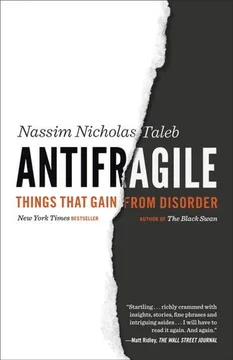
Antifragile
This book blew my mind. Though at times a bit egocentric in his style, Taleb has read hundreds of historical writings and synthesized the wisdom for us, much of it running counter to conventional wisdom. He shows how things like vaccines, creative destruction and even fasting are ways systems get stronger from negative shocks.
-
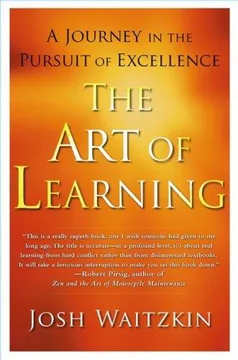
The Art of Learning
This book is a masterpiece. Waitzkin walks through how he became a chess champion as a kid and how, after quitting chess, he applied the same approach to push hands and became a world champion. His idea of “numbers to leave numbers” is a great way to show that to go fast, you first need to go slow.
-
The Disadvantages of an Elite Education
Our best universities have forgotten that the reason they exist is to make minds, not careers
-
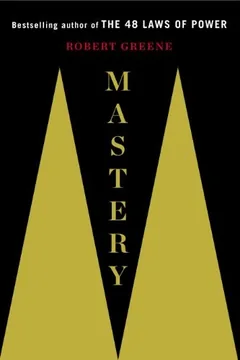
Mastery
An incredible book for anyone with a creative bone in their body, and no one goes deeper than Greene. He talks about the phases you have to go through to become a master at your craft, and the hard decisions that come with it, like leaving a teacher once you’ve learned enough to go out on your own.
-
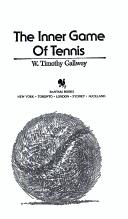
The Inner Game of Tennis
The message throughout is that we spend far too much time in Self 1 mode, the critical voice in our heads, and struggle to let go enough to shift into Self 2, the part of us that just does the thing. It’s a short read, about 125 pages.
-
Predictably Irrational
A highly entertaining read if you like having your ideas of conventional wisdom shattered. It was one of the first books that led me to accept that we’re all irrational and the rational economic being is a myth. Many of the experiments were done in my favorite grad school bar.
-
Skin in the Game
A book about a simple and powerful idea, written with Taleb’s usual charm, though it’s not as good as Antifragile. He argues that for systems to survive, there needs to be some cost tied to actions within them. You can’t have a system where individual parts survive no matter the failure, like too-big-to-fail banks.
-
The American Scholar
This timeless essay talks about the state of learning in the 1800s, and it still rings true about the limits of learning in institutions today.
The book, the college, the school of art, the institution of any kind, stop with some past utterance of genius. This is good, say they,—let us hold by this. They pin me down. They look backward and not forward. But genius always looks forward. The eyes of man are set in his forehead, not in his hindhead. Man hopes.
-
School Is Not Enough
School is Not Enough, one of the best essays I’ve read in a while.
-
Moonwalking with Einstein: The Art and Science of Remembering Everything
A great book about a journalist who starts with an average memory and builds his skill to become USA Memory Champion. It deepened my belief that we’re capable of more than we think. I’ve used some of his memory tricks to remember people’s names, and they’re quite effective.
-
Range
A lot of great stories about people who didn’t follow a path of specialization. Epstein argues that focusing early and staying on one path can be effective, but being a generalist can be better in the long run.
-
The Signal and the Noise
Silver, of 538 fame, talks about how statistics are often used poorly and how to use them in decision making. The main idea I took away was that the outcome doesn’t determine the quality of the process, so it’s often a mistake to say you took the right approach because you achieved your goal. I see people make this error all the time in the business world.
-
Everything Bad Is Good for You
Johnson shows that the quality and complexity of TV, writing, movies and other popular material have steadily increased over time (Game of Thrones is a much more demanding show than I Love Lucy). It’s a good book if you’re skeptical when people say things are so bad these days. I do think he missed how easy it was to find the best content in the past.
-
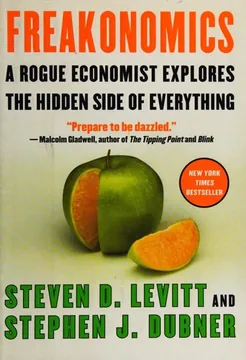
Freakonomics
One of the first books that really awakened my curious mind when I was about 20. It made me think in a different way and helped me develop a healthy contrarian or skeptical outlook for analyzing business problems and identifying opportunities most people don’t see. I’d probably recommend Predictably Irrational instead of this book now.
-
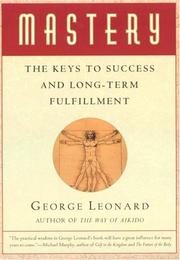
Mastery
A quick read that came out decades ago and still rings true today. It was required reading when I started at Launch School, a coding academy that embraces the slow path of learning as opposed to the typical “50 hours to become a coder” approach.
-
The Art of Choosing
Not bad. A lot of repeat of stories I've already read in Predictably Irrational, Blink etc..
-
Thinking, Fast and Slow
Worth reading if you’re intrigued by how our brains operate in the world. Many people think System 2 dominates, but System 1 is calling the shots most of the time.


Creativity & writing 18
-
The Good Room
“The Good Room”: Frank Chimero on space, creativity & significance in the digital world
-
The Long, Hard, Stupid Way
-
Creative Dysregulation
It’s really good. If you’ve ever been stuck and struggled with the inner game of cultivating a creative habit, I think you’ll resonate deeply with her story. I read it straight through in one sitting, even though I already knew a lot of what would be in it, and it changed my perspective on what a book can be.
-
Curiosity
It taught me there are three types of curiosity (empathic, diversive and epistemic) and how important curiosity is for creativity and happiness. Leslie also explores its history and some of the modern beliefs around education, including what people miss (general knowledge does matter).
-
The Getaway Car
A short read about Ann Patchett’s struggles with becoming a writer. Her witty and direct style is very fun, and it’s worth reading if you like writing.
-
The Icarus Deception
Godin challenges the conventional takeaway of the Icarus myth to “not fly too close to the sun” and reminds us that Icarus was also warned not to fly too low. A great book to listen to on audio about creating art and dealing with all the emotions and challenges of putting new things out into the world.
-
The War of Art
Ideal for people who have any sort of creative practice.
-
On Writing Well
A good book worth skimming if you’re looking for inspiration on being a better writer. Zinsser challenges the reader to be brave and put themselves out there, and to not be afraid of what others might think.
-
Originals
Probably one of the best popular books for understanding modern organizations through the lens of creativity and originality, and why it doesn’t happen. Grant shows why middle managers often don’t take risks and how inventors like Edison went through enormous amounts of duds before landing on great ideas.
-
The Art of the Personal Essay
Lopate’s anthology is a fun format since you can pick essays by style, theme or author. They give you a portal into the fashions and writing styles of their era. Some are pretty hard to read, but most capture some element of the universal that stands the test of time.
-
Building a Second Brain
I really enjoyed Tiago’s personal story and how chronic illness forced him to look for new ways to live and work. It rhymed with my own experiences from 2012 to 2014. His second-brain approach is also the foundation of everything I do.
-
A Curious Mind
Grazer talks about how he reached out to successful entertainment figures early in his career for no-agenda curiosity conversations. He’s kept doing it for decades, expanding the practice outside his industry. I started having my own curiosity conversations after reading it.
-
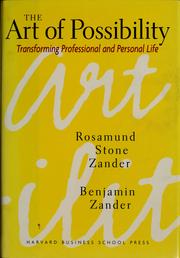
The Art of Possibility
This book seems to have resonated with others in a more profound way than it did with me. Perhaps I’ve read too much behavioral science. I wish there was more about the Zanders themselves, but I do admire their optimism for the world.






Life design & travel 18
-
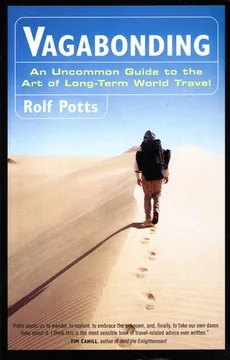
Vagabonding
If you want to live a life with more travel and adventure, this is a must read. It challenges our default beliefs about time and money through the lens of travel. It was a powerful book to read before going nomadic in 2017 and again before leaving Taiwan in 2020.
-
What Do You Want?
Calvin Rosser's essay on trying new things is great.
-
Wild Problems: A Guide to the Decisions That Define Us
Roberts reflects on the wild problems we face, like career changes, marriage or children, that can’t be solved on a spreadsheet. It’s less a how-to guide for decision-making and more a poetic contemplation of what matters in life, which is my favorite kind of book. I sense it would be powerful for anyone who has a hunch that there’s more to life.
-
A Field Guide to Getting Lost
Solnit’s essays put words to the journey of getting lost and wandering into the unknown. It’s one of the most powerful books I’ve ever read, and I devoured it in my first month living abroad in 2018. It changed how I thought about the mystery of life.
-
Anything You Want: 40 Lessons for a New Kind of Entrepreneur
Sivers built a company selling CDs of independent artists in the early internet era and ignored most of the advice about how to build one. This short book shows that “best practice” doesn’t always lead to happiness. I love Derek’s writing because he knows who he is and what he wants, and he shares the true journey of embracing those things.
-
Life Is in the Transitions
This book is like the advanced Pathless Path, with so much detail and thought on the different phases of life transitions. It made me realize our lives are already being blown up all the time, so it’s better to lean into it. I find Feiler’s perspective freeing.
-
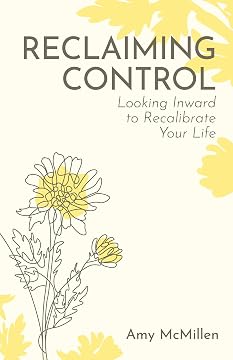
Reclaiming Control: Looking Inward to Recalibrate Your Life
A short but “pathless” journey through stepping off the conventional path a year after graduating. If you’re thinking about leaving a path that makes sense, this book will help you realize there’s someone else out there trying to make sense of it too. I loved it, and it was a big inspiration for deciding to write my own book.
-
The Way Home: Discovering the Hero’s Journey to Wholeness at Midlife
One of the most detailed journeys of personal transformation I’ve read. I love how Ben leaned into a new version of himself at midlife without dramatically blowing up his life, and I appreciated seeing someone who’s married with kids go through a life reinvention. If you like The Pathless Path or writers like David Whyte or Bill Plotkin, you’ll enjoy this too.
-
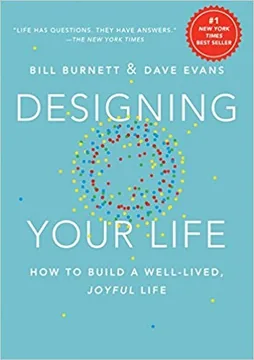
Designing Your Life
Based on design thinking, this book by two Stanford professors has useful prompts and exercises that push you to come up with more ideas and options instead of picking from the default ones. One of my favorite exercises to do with my wife is its five-year life plan, where you come up with three different plans. It can be incredibly freeing.
-
The Songlines
An excellent book on traveling across Australia. I loved how Chatwin included a quotes section, which is a good tradition in travel books.
-
The Sovereign Artist: Meditations on Lifestyle Design
A thoughtful personal reflection on what Vizi Andrei calls the “Sovereign Artist.” It’s a weird and fun collection of essays, personal thoughts, aphorisms and quotes on crafting a life of autonomy, creativity and intentional leisure. It gave me some ideas about doing something like this myself.
-
Tiny Experiments: How to Live Freely in a Goal-Obsessed World
It’s like if Atomic Habits decided to blow up its life and embark on a pathless path. My writing tends to lean on the poetic “have trust in the universe,” which doesn’t seem to help most people, so I’m glad Anne-Laure wrote this. It’s by far the best how-to companion for people who loved The Pathless Path.
-
Vow of Aliveness: Saying YES to the mess and magic of a true life
A powerful personal story from my friend Ravi, who reinvented his life through activism, entrepreneurship and life exploration.
-
Global Natives
The book details the past, present, and future of digital nomadism. I think the way Razavi explores this trend is a unique lens for looking at the broader shifts in work underway.
-
Wild Courage
Jenny is a friend who really seemed to thrive in the corporate environment by being her full-out wild and shameless self. If you like bold perspectives on crushing it on a more traditional path, you might like this one.







Philosophy & ideas 49
-
Riding On The Edge Of Chaos (MIT Management Review)
This essay combines a nice narrative of an organization embracing the principles of chaos theory with an exploration of the science. A fun read for nerds.
-
Antimemetics
It’s given me a different model of thinking, not only about how ideas spread but also about how my writing, especially my book The Pathless Path, has spread over the last few years. It’s one of the most interesting idea books I’ve read in a while, and I highly recommend it. Nadia’s book has helped me develop a more coherent understanding of what I enjoy about ideas.
-
The Beginning of Infinity
It captured my imagination from the first pages, and I love the premise.
-
The Power of Myth
A transcript of the TV series with Joseph Campbell and Bill Moyers. It helps distill a lot of Campbell’s ideas about myth and the role it plays in our culture.
-
At the Existentialist Café
A fantastic history of existentialism with the added backdrop of 20th-century economic and political battles. It’s an enjoyable read focusing on people like Simone de Beauvoir, Jean-Paul Sartre, Søren Kierkegaard, Albert Camus and the controversial Martin Heidegger. It gave me about 10 to 15 more things I wanted to read.
-
Escape from Freedom
Written in 1941 as the world was breaking out into chaos, it’s about the traps and possibilities of freedom.
-
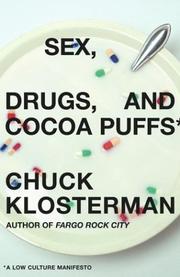
I Wear the Black Hat: Grappling With Villains (Real and Imagined)
As always, great essays from Klosterman. Interesting topic (villains).
-
The Good Life & Sustaining Life
A practical philosophical reflection on what it means to live the “good life” in the modern world and the many approaches one might take to sustain such a life.
There may be no greater vexation in our time than the question of how to make a living in a way that accords with leading a good life. Yet if nearly every thinking person has faced this vexation at one time or another and doubtless throughout most of his adult life, virtually no one has ventured to think it through in a well-considered, systematic fashion.
-
The Truth Is Distributed
Eugene Wei on how ideas become “common knowledge”
-
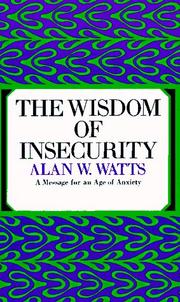
The Wisdom of Insecurity
Watts contemplates our desire to keep putting life into neat little boxes and ponders the downsides of modernity and the limits of words. It’s a short read and holds up quite well even though it was written in 1951. I highly recommend it.
The more one studies attempted solutions to problems in politics and economics, in art, philosophy, and religion, the more one has the impression of extremely gifted people wearing out their ingenuity at the impossible and futile task of trying to get the water of life into neat and permanent packages.
-
Wanting
The self-employed path is filled with hustle traps, and the most powerful one is mimetic desire. Luke walks through his own journey of awakening and helps steer people toward their “thick desires,” the things they can sustain over the long term. The artful mixing of his personal stories with the ideas of mimetic desire was well done.
-
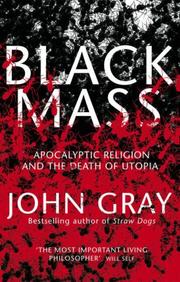
Black Mass: Apocalyptic Religion and the Death of Utopia
A fascinating book on how humans have consistently been drawn toward millenarian and utopian movements. You can probably skim the parts about the early 2000s, but the broader perspective on how these movements keep recurring throughout history was eye-opening. Once you become aware of these tendencies, you see them everywhere.
-
Consider the Lobster and Other Essays
Love his writing style, but a couple essays were just outside the realm of what I know. Looking forward to reading more DFW.
-
Education in a Time Between Worlds
This is more of a collection of essays, but it’s a great, bold vision of the possibilities of education. Stein believes that education is at the center of all modern crises.
-
On Bullshit
A 20-page essay that comes up in a surprising number of pieces I’ve read. It’s an interesting read that defines bullshit and how it differs from lying.
-
Essays
Emerson’s collection of essays is a great read, and accessible for something written in the 1800s.
There is a time in every man’s education when he arrives at the conviction that envy is ignorance; that imitation is suicide; that he must take himself for better, for worse, as his portion; that though the wide universe is full of good, no kernel of nourishing corn can come to him but through his toil bestowed on that plot of ground which is given to him to till. (Self-Reliance)
-
On Liberty
Mill writes quite eloquently about the value of finding out how to live.
-
The Great Stagnation
One of my favorite short books.
-
The Revolt of the Public
Gurri, a former CIA analyst, writes about large-scale movements like the Arab Spring. Good book, though a bit slow at the end. One interesting idea I took from it is that more power to the public means more fractured, emergent movements that find each other based on a shared ethos of repudiation rather than shared positive values.
-
The Soaring Twenties and Other Essays
A collection of Thomas’s writing from 2021 and reflections on being an online person trying to do creative work. He’s a delightful writer, and I borrowed his idea of the “Misery Tax” in my own book. I like picking it up and reading an essay here or there.
-
Why Greatness Cannot Be Planned
I love the idea and framing of this book. It’s a great way of looking at pathlessness through the lens of artificial intelligence. Be warned: it reads very academic at times, but overall a very good book.
-
Why Liberalism Failed
This book details a lot of the flaws in modern liberalism, the kind oriented around freedom, individualism and labor market freedom. Deneen argues persuasively that these things are great but tend to orient people toward norms that destroy social trust, community and the foundations needed to guarantee those things in the first place.
-
Zen and the Art of Motorcycle Maintenance
Its central argument is that in our continued acceleration toward the future, we’re losing touch with a deeper, spiritual side of ourselves. The book has been around since the 1970s, and that still rings true, perhaps more so now. Pirsig contemplates what got us to this point.
The range of human knowledge today is so great that we’re all specialists. And the distance between specializations has become so great that anyone who seeks to wander freely among them almost has to forgo closeness with the people around him.
-
Aspiration: The Agency of Becoming
Brilliant ideas, very academic writing. The central one is that aspiration and ambition are different aims in life, and directing your life toward each can lead to very different circumstances.
-
Games: Agency as Art
I love the idea of a game as a way of practicing agency.
-
Homo Deus
Fantastic book
-
Poor Charlie’s Almanack
A collection of Munger essays. I’d read most of them already and didn’t find the commentary that much of a value add, but it may be perfect for a hardcore Buffett and Munger fan.
-
The Utopia of Rules
Graeber shares a completely unique perspective. In this book and Bullshit Jobs, he writes at length about under-discussed parts of our modern world, like how complexity and modernity result in a type of “spiritual violence” against our ability to dream, hope and imagine better futures.
-
Chaos
I remember reading this senior year of college and being captivated by fractals. I read it too long ago to give it a serious review, but I remember it was a challenging read.
-
Meditations
A peek into a Roman emperor’s private journal and his meditations on life.
When you arise in the morning think of what a privilege it is to be alive, to think, to enjoy, to love ...
-
Chaos At Work
An essay in which I try to map some of the mostly missed lessons of chaos theory to modern organizations.














Memoir & biography 29
-
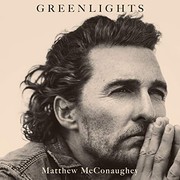
Greenlights
An epic audiobook with masterful narration, one of the best I’ve ever experienced. McConaughey’s story is very pathless, which surprised me. I resonated with his experiences living abroad, his planned sabbaticals going to the Amazon, and his strong pivot away from romance movies, which left him with no work for an entire year.
-
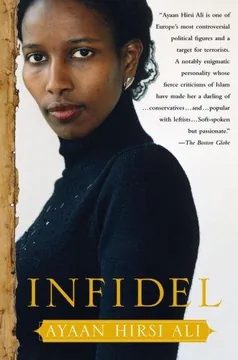
Infidel
This book is gripping, dark, scary, and inspiring. I find Hirsi Ali to be one of the bravest women alive.
-
Crypto Confidential
It’s really good. Nat shares the most vulnerable moments of his immersion into the crypto world in 2021 and 2022, and it’s a great personal narrative about making sense of work, life and family through crazy times. I’m a sucker for the personal narrative plus non-fiction combo.
-
Educated
Tara Westover’s fascinating story of growing up in Idaho with parents who thought the government was trying to destroy their lives.
-
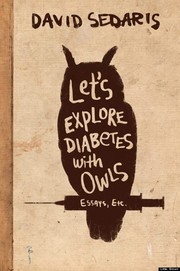
Let’s Explore Diabetes with Owls
His essays crack me up. Easy read.
-
The Forgotten Highlander
If you liked Man’s Search for Meaning or Survival in Auschwitz, you’d probably like this one.
-
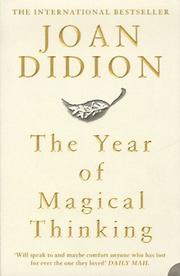
The Year of Magical Thinking
This book was heartbreaking and a great introduction to Didion. The way she tells the story of losing her husband is powerful, and I came away wildly impressed with her unique writing style.
-
Working
Caro has spent decades writing his series on Lyndon Johnson. It’s incredible to get into the brain of someone so deeply curious, who has a hunch that the story is always deeper than what others accept.
-
All Souls: A Family Story from Southie
Interesting book on Southie culture through the drug riddled 80's and a good view into the white poor.
-
Into Thin Air
Gripping, and very, very terrifying to read, which means it’s very good writing.
-
Here After
A heavy memoir about the loss of her partner and the process of grief. Raw and poetic. Intense.
-
Steve Jobs
Solid book following Jobs throughout his life. However, I fear people will try to emulate him through his asshole-ness. It boggled my mind to think about if he would have been as successful if he was nicer. I think it still could have worked.
-
The Autobiography of Benjamin Franklin
It’s fascinating mostly because it’s Franklin’s own narrative about his life, including how he manually tracked his virtues in a chart over a number of weeks. The OG life hacker.









Fiction 21
-
Cold Victory
A novel set in post-war Helsinki in 1947. The story unfolds around two military wives, one Russian and one American, whose husbands’ drunken ski race challenge sets off a chain of dangerous events. It’s also an interesting view into the tensions in Finland at the time.
-
The Three-Body Problem
I enjoyed this one. It contemplates what might happen if humans received signals from an alien civilization.
-
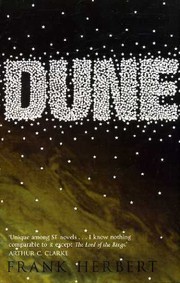
Dune
Super popular book among tech nerds. Somewhat interesting plot, but I didn’t find it all that great. Not sure why.
-
Ishmael
A gorilla teaches a student how to save the world. The student tries to make sense of how we arrived at our current ecological crisis through a story of humans’ place in the world.






Asia, by country 25
Japan & Korea
-
A Beginner’s Guide to Japan
Pico Iyer’s observations on Japanese culture from an outsider looking in, but with the depth that comes from decades living there. It’s filled with little contradictions and paradoxes that make Japan so fascinating, and I found myself nodding along as he captured things I’d noticed but couldn’t articulate. I recommend it to anyone headed to Japan.
-
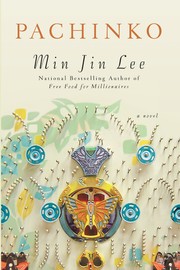
Pachinko
Probably my favorite book set in Asia. Such a fascinating deep dive into the history of Koreans in Japan, and the characters are so interesting. Min Jin Lee is just an incredible writer, and I’ll read anything she writes.
-
Things Become Other Things
I absolutely loved this book. Craig was true to his own unique style and personality, combining deep, contemplative thoughts about living abroad, growing up adopted and the history of Japan. I could feel on every page how much he cared about what he was sharing, from the sentences to the structure to the overall story.
-
Tokyo Noir
A follow-up to the bestseller and TV series Tokyo Vice, this book covers Jake’s days after taking down the yakuza and how he makes sense of his life in midlife. It wanders a bit and has interesting thoughts on the underworld and crime, but it really comes together through the touching personal relationships Jake has toward the end.
-
Autumn Light
A slow, contemplative book about returning to Japan and going through the seasons of life. I really like Iyer’s style, and it inspired me to try some similar writing about Taiwan.


Vietnam
-
The Mountains Sing
Follows a family in Vietnam through the French period, the Japanese occupation, the famine, land reform and the Vietnam War. A very intense and sad book, but still very good.
-
The Sympathizer
The personal story of a communist spy who works with a South Vietnamese general in the final days of the Vietnam War, escapes with him to America and gets involved in making a movie about the war (a take on Apocalypse Now). Very energetic writing. Slow in parts but entertaining throughout.

Taiwan
-
Green Island
A multi-generational story that starts right after WWII during the White Terror period and follows a family up through modern Taiwan. It gets into some heavy stuff about martial law and political prisoners, but through a really personal lens. It made me understand Taiwan’s post-WWII history, and how it affected families, in a whole new way.
-
Orphan of Asia
Excellent historical fiction about pre-WWII Taiwan, seen through the eyes of a scholar caught between Japanese colonial rule, Chinese heritage, and Taiwanese reality. His journey between Taiwan, Japan, and China brings alive a feeling of being lost and feeling at home at the same time.


China
-
Wild Swans
The personal stories of three generations of Chinese women, from a warlord’s concubine to a Communist Party official to the author herself, across China’s 20th century. Jung Chang masterfully captures the devastating impact of the Cultural Revolution on ordinary families.
-
Homeseeking
A story of two Shanghainese families and the fallout from the wars with Japan, WWII, and the civil war, following two characters as they move across China, Taiwan, and the US. A very enjoyable read and a good perspective on both the Chinese diaspora and the Waishengren who fled to Taiwan.
-
Breakneck
A strong, clear and interesting comparison between two modes of state planning, China vs. the US.
-
Deng Xiaoping and the Transformation of China
Slow at times, but a great summary of Deng’s life, which coincided with most of China’s major events over the past 100 years. It really picks up at the end, when Deng finally comes to power in his 70s and pushes the country toward freer markets. It left me wondering how much of that was Deng’s doing and how much was low-hanging fruit after decades of incompetence under Mao.
-
Mao’s Last Dancer
Li Cunxin’s autobiography about his journey from poverty in rural Maoist China to becoming an internationally acclaimed ballet dancer, including his decision to defect to the West during a cultural exchange to Texas. The book captures his struggle between loyalty to family and country and pursuing his dreams, and gives vivid insights into life during China’s Cultural Revolution.


Malaysia
-
The House of Doors
Enjoyable historical fiction set in Penang, Malaysia in the 1920s, about a visit from the writer Somerset Maugham to a British family. It overlaps with the Chinese revolutionary efforts of the time, including Sun Yat-sen’s activities in the region. A really nice mix of story, characters, real history and scandal.
-
The Ghost Bride
Historical fantasy set in 1890s colonial Malaysia about a young Chinese woman asked to become a ghost bride to a wealthy family’s dead son. I found the exploration of Chinese customs and traditions interesting, but the story was a bit meandering at times.


Thailand
-
The Four Reigns
A long book that follows a woman whose life is entangled with the royal family as Thailand moves from absolute monarchy to constitutional government. It’s a little slow at first, but I enjoyed reading it while living in Thailand. It’s interesting to follow the country through WWII and westernization, since it’s unique in never becoming a central player in world events.

Singapore
-
How We Disappeared
A powerful historical novel set in Singapore about a woman’s experience as a “comfort woman” during the Japanese occupation in WWII, and a young boy’s modern-day discovery of his grandmother’s secret past. It’s a slow start, but it picks up and pays off into a fascinating tale.
-
The Singapore Story
A lot of interesting stuff about Lee Kuan Yew, but a lot of dry parts too. It was interesting to hear how his life aligned with such important national events and put him in the right places at the right time to be the person who helped Singapore evolve.

Asian-American
-
Crying in H Mart
Michelle Zauner’s memoir about growing up Korean American, losing her mother and reconnecting with her roots. Good writing and a powerful story.
-
Free Food for Millionaires
Min Jin Lee’s first book, about a Korean American in the US in the 90s. It was cool to read about a young professional before the internet, which felt like the last days of an era, and to see the clash between immigrant and prestigious culture. The main character is very captivating.
-
Stay True
A story of the early 90s at Berkeley and being Taiwanese American. It’s an interesting peek into the cultural movements at Berkeley, many of which are dominant now, and a very personal story of him losing his friend and trying to make sense of that period.
-
The Souls of Yellow Folk
A good collection of essays on living as an Asian American in modern culture. Yang looks at identity, masculinity and cultural politics through a sharp, often contrarian lens. He challenges both mainstream narratives about Asian Americans and Asian American conventional wisdom.


General
-
How Asia Works
A thoroughly nerdy and fun read about how Japan, South Korea, Taiwan, and China achieved dramatic economic growth while other Asian nations struggled. Studwell shows that the successful economies followed similar patterns, with land reform to support small-scale farming, export-focused manufacturing, and strict control of finance to channel capital into productive industries.
Society & history 50
-
1776
Fascinating look at 1776 and many things I never knew before, including the war being fought in NYC
-
Tribe: On Homecoming and Belonging
One of my favorite books. Short but powerful, it contrasts Junger’s experience in war with coming home and trying to fit into modern society. He explores the modern world’s loss of community, connection and belonging.
-
American Bloomsbury
A delightful read about how Emerson, Thoreau, Alcott, Hawthorne and others all hung out in a small Massachusetts town in the mid-1800s, against a backdrop of rising tensions over slavery. I’d read many of these writers but never knew how intertwined they were. You’ll get a kick out of it if you like history, writers and the day-to-day lives of people you didn’t know were connected.
-
The 2-Hour Cocktail Party
Nick’s framework for hosting “two-hour cocktail parties” is an easy way to avoid overthinking. Hosting was a lot easier than I expected, and the book inspired me to host an event in Austin, which led to me making a bunch of new friends.
-
The Splendid and the Vile
A fascinating account of WWII in Britain through the eyes of Churchill and his family. He clearly sees the evil of Hitler early on and tries to convince the world. It was interesting to see some parallels between the covid lockdowns and the behavior of the British in 1940, a year when London was bombed countless nights.
-
A Bootlegger’s Story
A bootlegger brings you behind the scenes in 1926
-
A Brief History of the Corporation: 1600 to 2100
An oldie but goodie from Venkat Rao on the history of the corporation and how attention is the metric of the future.
-
American Kingpin
A very fast-paced account of Ross Ulbricht, creator of the Silk Road dark web marketplace. It follows his rise from libertarian idealist to running a billion-dollar drug empire, and his eventual capture by the FBI. Many interesting characters throughout, and I wasn’t sure who I was rooting for at the end.
-
The Dictator’s Handbook: Why Bad Behavior Is Almost Always Good Politics
A cold look at why governments and leaders make the decisions they do. It helps make clear that politics is mostly about getting and keeping power. Surprisingly, a lot of people don’t see it that way.
-
The Ghost Map
A book about the 1854 London cholera outbreak, but also about how hard it is to change our minds about ideas. It’s the story of a pump, a man named John Snow, how disease theory changed, and how it set us up to fail in our reaction to covid.
-
The Righteous Mind: Why Good People Are Divided by Politics and Religion
This book made me rethink how people arrive at their beliefs. Haidt shows that morality is highly influenced by your environment and biology. It made me much more understanding of a wider range of ideas beyond politics and religion.
-
The Unsettling of America
Berry tries to make sense of the systematic shift away from farming as a local, family-driven endeavor to one done by major industrial organizations. It’s a fascinating combination of diatribe on 1970s farm policy (don’t worry, you can skim through it quickly) and reflection on relationships, work, love, marriage, community, belonging, food and connection to nature. One of my favorite books.
-
Chaos: Charles Manson, the CIA, and the Secret History of the Sixties
A wild book, mostly because I didn’t know the history of the Manson murders or the CIA’s heavy involvement in everyday American culture in the 1960s. O’Neill spent 20 years trying to figure out what really happened, and I especially enjoyed how he details his own insecurity and stress while writing it and how he kept himself going. A fun read if you like this kind of stuff.
-
The Omnivore’s Dilemma
I felt a bit dumb after reading this. I learned about grass-fed vs. grain-fed meat, what factory farming is doing to the quality of our food and soil, and how disconnected we are from how we get our food. Most of all, it woke me up to pay attention to what I’m actually eating.
-
Chip War
A comprehensive deep dive into the history of semiconductors after World War II, up to the current chip war between China and the US. I did the audiobook, which was quite a long listen, but it has many mini stories that made it easy to digest.
-
One Summer: America, 1927
A really cool book about a single year, 1927, covering radical movements, Babe Ruth, Calvin Coolidge, Charles Lindbergh’s flight, and the beginning of the aviation industry. I love reading stuff like this because it’s where I often stumble on surprising ideas, and this one made me want to go down a Bryson rabbit hole.
-
The Demon of Unrest
An almost day-by-day walkthrough of the lead-up to the start of the Civil War. A clear-eyed look at the emergent mania around secession, Lincoln’s leadership skills and an unavoidable conflict. It was very cool to read so many first-person perspectives from the time.
-
The Normal Chaos of Love
This book is very much about love and relationships, but it also frames them, and our modern ideal of family, in contrast to the workplace. The authors, a married couple, argue that the modern reality of everyone being a worker is great for the workplace and for freedom, but creates chaos and complexity at home that we have yet to fully grapple with.
Everybody – including parts of the women’s movement – has the right to expect that offers once made to men should now be extended to women, and assert that women are as useful as members of the job world as men are. They should however realize that this road does not lead to a happy world of co-operative equals but to separateness and diverging interests.
-
The Nuclear Family Was a Mistake
From Nuclear Families to Forged Families
-
The Oath: The Obama White House and the Supreme Court
For me, this was an interesting first read on the Supreme Court. It goes into background and lives of the 9 justices and touches on the history of the court which is interesting to understand the current court. Definitely written from a liberal standpoint, but not super biased. Calls it like he sees it.
-
The Shadow Factory
Interesting first chapter on the recap how 9/11 went down and then a shocking intro on how the NSA gained unprecedented illegal power by 2004. However, the book gets pretty repetitive and if you have any experience in Defense, a lot of the revelations are not that crazy. Worth reading if you want to learn more about the NSA and definitely if you are interested in the technology that makes it happen.
-
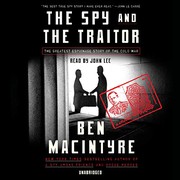
The Spy and the Traitor
An entertaining account of Oleg Gordievsky, perhaps the most impactful KGB double agent of the Cold War. It follows his journey from KGB officer to MI6 informant, ending in a breathtaking escape from Moscow via Finland. My heart was racing at the end.
-
I Was Wrong
Interesting to read Sullivan's stream of consciousness through blog posts on the War on Iraq from 9/11 to the Obama election.
-
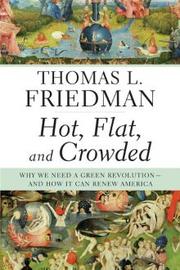
The World Is Flat
Friedman wrote this in 2005, as I was starting to enter the business world, and it was probably more widely read than Malcolm Gladwell’s books. But invoking “the world is flat” was more a way to prove you were smart than a true paradigm shift.
-
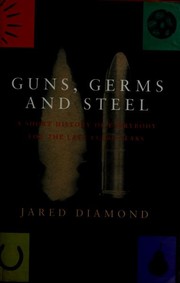
Guns, Germs, and Steel: The Fates of Human Societies
Couldn't finish it but enjoyed the first part and overall thesis
-
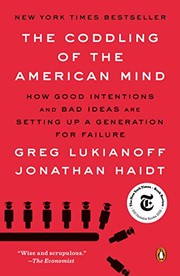
The Coddling of the American Mind
A good read arguing that there’s a dramatic generational shift underway, starting with people born in the mid-90s. I’m not sure I recommend the whole book. I do recommend the longform article of the same title.
-
The Red Queen: Sex and the Evolution of Human Nature
I think I read this when I was a bit sick, so I don’t clearly remember it, but Ridley always makes one think.
-
The Epic of America
The 1931 book that popularized the phrase “the American Dream,” written as a sort of history of the world and the US up to that point. The more interesting part to me was the author’s argument that America no longer had a “frontier” to conquer, and that this was leading to all sorts of stagnation.

















Health, food & family 12
-
Cribsheet
Emily Oster’s books are great for pregnancy and the first few years of parenting. She gives a nuanced but straightforward analysis of confusing data and hot takes from other parents.
-
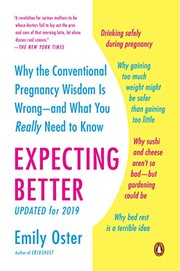
Expecting Better
A must-read for anyone trying to get pregnant or currently pregnant. It helped us think about things in a more nuanced and helpful way than most medical professionals did.
-
The Food Lab
As soon as I dove into the introduction, I knew this was a huge missing piece for me. By making fun of how serious other chefs are and the basic mistakes they make, Kenji made me feel like I could be good at cooking despite knowing next to nothing. He’s an outsider and I love it.
-
The New Fatherhood
I read it in the final month before our second daughter arrived, and it was a good chance to reflect on the whirlwind of my daughter’s first three years through the account of a dad many years ahead of me. I loved the idea of the Tunnel, where all parents live while their kids are under five.
-
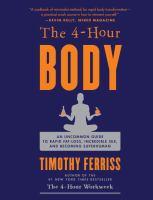
The 4-Hour Body
When I started reading about food, I was shocked by how terrible my knowledge was. This was one of the great books that helped reshape my thinking.
-
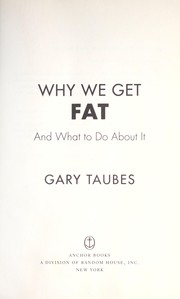
Why We Get Fat
Along with The 4-Hour Body, one of the books that reshaped how I think about food.
-
Fast Food Nation: The Dark Side of the All-American Meal
This book sucked. It should have been no more than a longform article in the New Yorker. Thank god for free books on Amazon Prime.
-
Outlive
Good ending, a little too long otherwise. In the final chapter, Attia is so hard on himself and lays it out in a way that feels true and real.
-
Battle Hymn of the Tiger Mother
This book is wild, like the hottest takes from Twitter but an entire book of them, one after another. I read 10 or 11 mini-chapters and hit eject. I don’t think this will be my parenting guide.





I also write longer reviews and reflections on many of the books I read. Browse book reviews →